• Popular SearchesHide Popular Searches
  • Prove the Fit. Protect the Hearing.

    Ear Fit Testing

    Ear fit testing is the only reliable way to confirm that a hearing protection device (HPD) is actually working for an individual worker. Packaging ratings tell you how a device performed in a laboratory, but they don’t tell you how it performs on your workers’ ears. That gap between assumed and actual protection is where occupational hearing loss happens.

    Safework Health delivers professional ear fit testing across Australia, both on-site and in-clinic, for employers who need to meet their WHS noise obligations and build a hearing conservation program that holds up to scrutiny.
    Guaranteed Fast Results
    Over 10,000+ tests done yearly AUS wide
    Mobile AUS Wide Service Available
    ear fit testing;

    What Is Ear Fit Testing and How Is It Different From Audiometric Testing?

    These two services are often confused, but they measure completely different things.

    Audiometric testing 

    This assesses the worker. It checks whether hearing has already been affected by noise exposure and monitors any changes over time.

    Ear fit testing 

    Assess the device. It verifies whether the HPD the worker is wearing is providing adequate noise attenuation for their specific ear anatomy, on that day, with the way they insert or wear it.

    Audiometric testing tells you if hearing damage has occurred. Ear fit testing helps prevent it from occurring in the first place.

    Both matter in a noise management programme, but they answer different questions. Rely on audiometric results alone and you’re measuring the outcome after exposure, not confirming protection before it.
    ear fit testing;
    Why “One Size Fits All” Doesn’t Protect Every Worker;

    Why “One Size Fits All” Doesn’t Protect Every Worker

    The attenuation rating on HPD packaging, whether expressed as a Class rating or SLC80 value under AS/NZS 1270, is determined by laboratory testing under controlled conditions. It tells you how the device performed on a test panel of subjects. It doesn’t tell you how it performs on any one worker in your workplace.

    Ear canals vary significantly in size and shape between individuals. How a worker inserts an earplug, the geometry of their ear canal, and any facial features affecting earmuff seal: all of these factors change the attenuation actually achieved in the field

    Research consistently shows real-world attenuation is substantially lower than rated values, particularly for earplugs, which depend heavily on insertion technique.

    A worker may believe they’re protected. Their supervisor may believe they’re protected. Without ear fit testing, neither has any objective basis for that belief.

    Why “One Size Fits All” Doesn’t Protect Every Worker;
    The Personal Attenuation Rating (PAR)- What It Is and How It’s Measured;

    The Personal Attenuation Rating (PAR): What It Is and How It’s Measured

    The Personal Attenuation Rating (PAR) is a quantitative measure of the noise reduction an individual worker actually achieves when wearing their specific HPD. Unlike manufacturer ratings, the PAR reflects the individual worker, their device and the way they wear it.

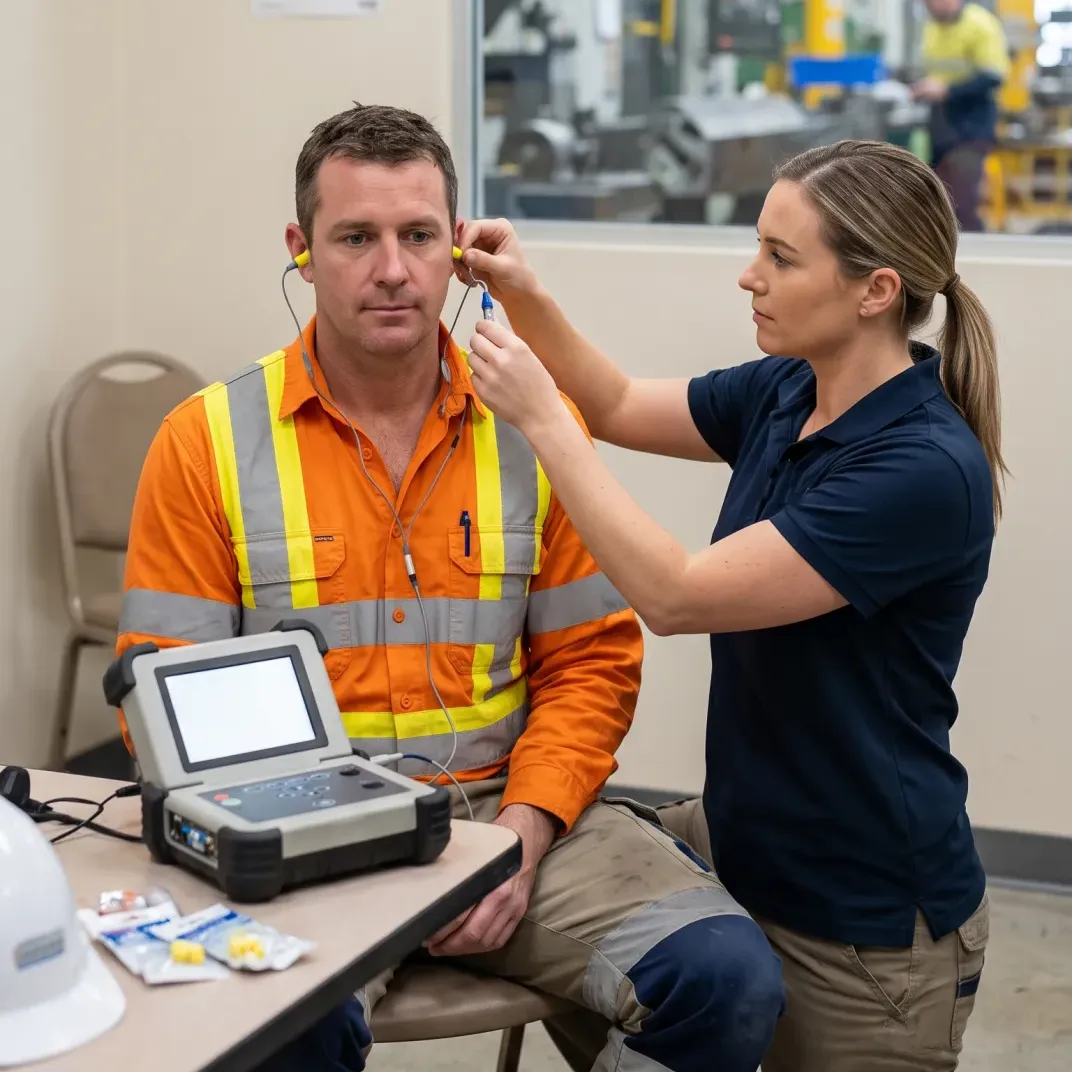
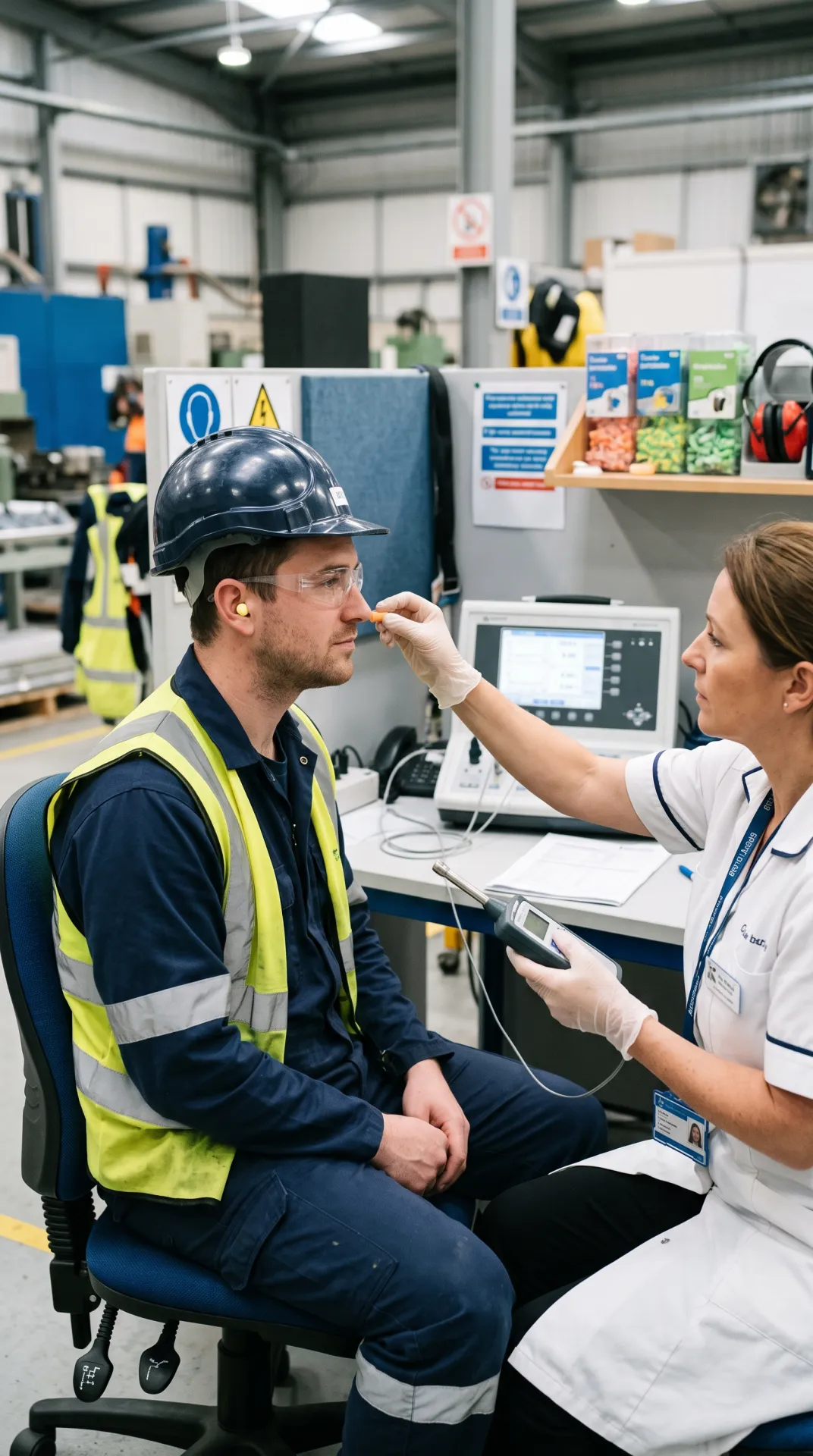
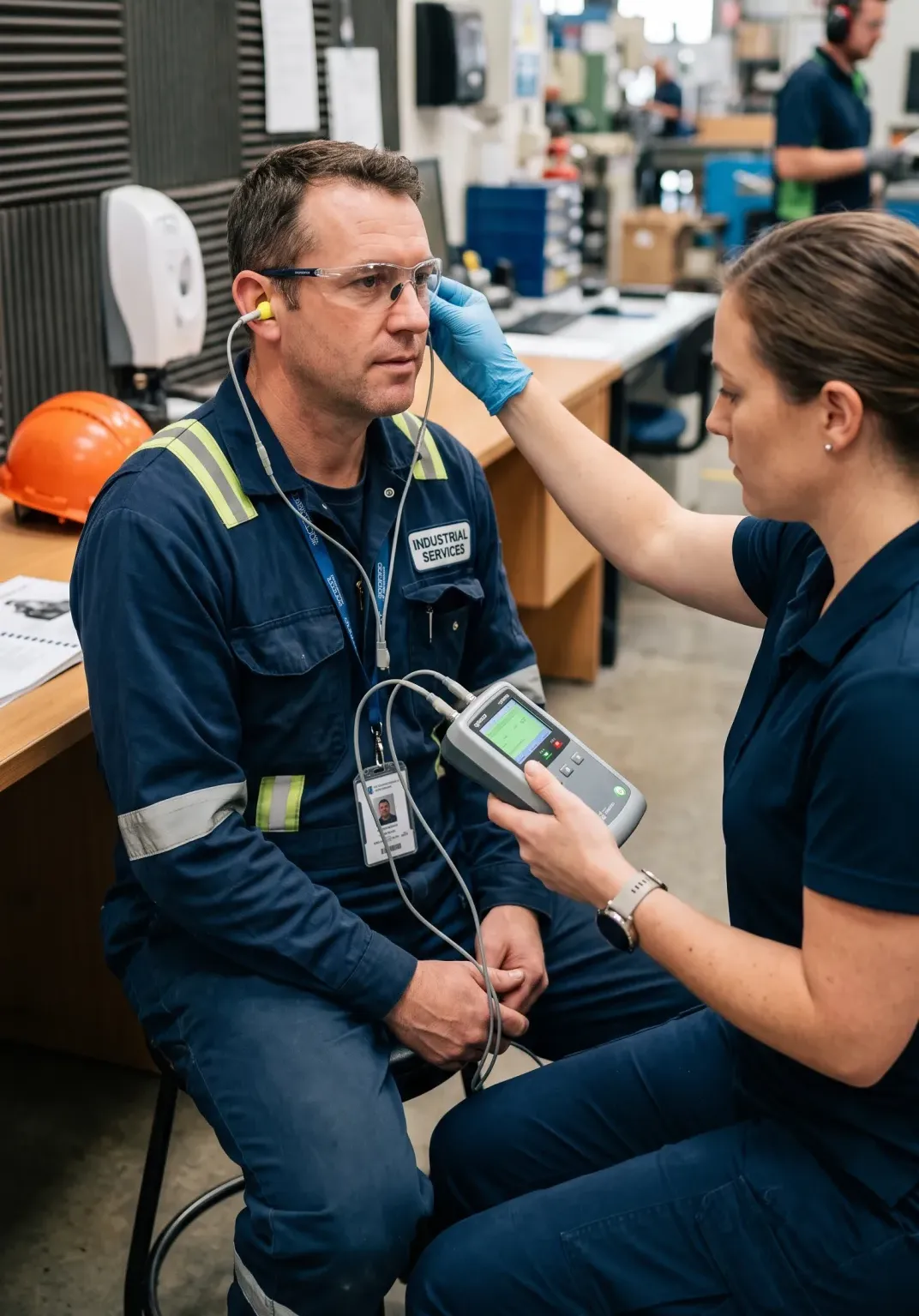
    Safework Health uses the 3M E-A-Rfit Dual-Ear Validation System to measure PAR. The system uses a microphone-in-real-ear (MIRE) approach:

    • A small probe microphone is placed inside the worker’s ear canal
    • Noise levels are measured simultaneously outside and inside the ear while the HPD is in place
    • The ratio between the two measurements produces the fit factor, which is used to calculate the PAR

    The process takes approximately five minutes per worker. At completion, each worker receives a documented result showing whether their HPD provides sufficient attenuation for their noise exposure environment.

    What is a passing result?

    For workplaces where noise exposure approaches or exceeds the 85 dB(A) exposure standard, the target is a PAR that brings in-ear levels to 80 dB(A) or below, the recommended in-ear noise level under Australian WHS guidance.

    If a worker doesn’t achieve a passing PAR on the first attempt, our assessors guide them through correct insertion technique and retest. That on-the-spot correction often makes the difference between a passing and failing fit.

    The Personal Attenuation Rating (PAR)- What It Is and How It’s Measured;
    ear fit test;

    Ear Fit Testing and Your WHS Noise Management Obligations

    Under WHS legislation, employers (PCBUs) must manage noise risks using the hierarchy of controls. Where engineering and administrative controls have been applied and noise exposure still exceeds 85 dB(A) averaged over an eight-hour shift, HPDs become a required control measure, and employers have an ongoing duty to ensure those HPDs are working.

    AS/NZS 1269.3:2005 (Occupational Noise Management – Hearing Protector Program) provides the framework for a compliant HPD program in Australia. It sets requirements for HPD selection, fitting, training and verification, and ear fit testing supports each of these.

    ear fit test;

    Industries where ear fit testing is especially important

    Mining and resources: Continuous and high-level noise from equipment, blasting, and processing

    Construction: Powered tools, concrete cutting, compactors, and cranes

    Manufacturing: Stamping, pressing, and continuous machinery noise

    Agriculture: Tractors, chainsaws, and grain handling equipment

    Transport and logistics: Forklifts, dock equipment, and vehicle engine noise

    Defence and emergency services: Firearms, aircraft, and heavy plant

    If a noise assessment shows exposures at or above the 85 dB(A) exposure standard, documenting HPD effectiveness through ear fit testing gives you a proactive, auditable record of meeting your WHS duty of care.

    Why Training Matters with Earplug and Earmuff Testing;

    Why Training Matters with Earplug and Earmuff Testing

    Ear fit testing can be conducted on both earplugs and earmuffs, though the variables being assessed differ between device types.

    Earplug Fit Testing

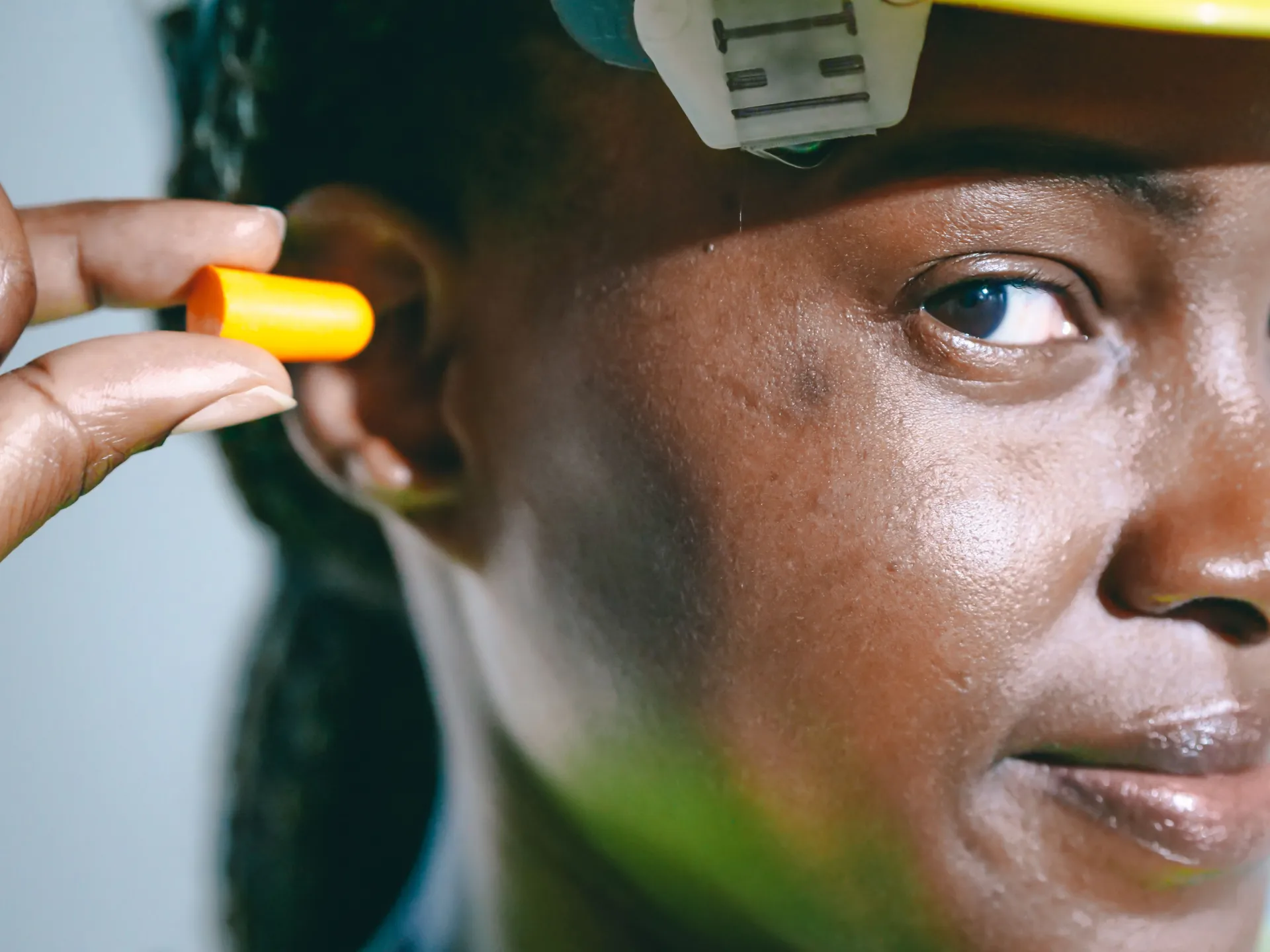
    Earplugs present the highest variability in real-world performance because correct insertion is essential and hard to check yourself. Even small differences in insertion depth can significantly reduce attenuation. Many workers who believe they’re inserting earplugs correctly are not, and this isn’t something they’d know without objective measurement. Fit testing identifies the problem and corrects it in real time.

    Earmuff Fit Testing

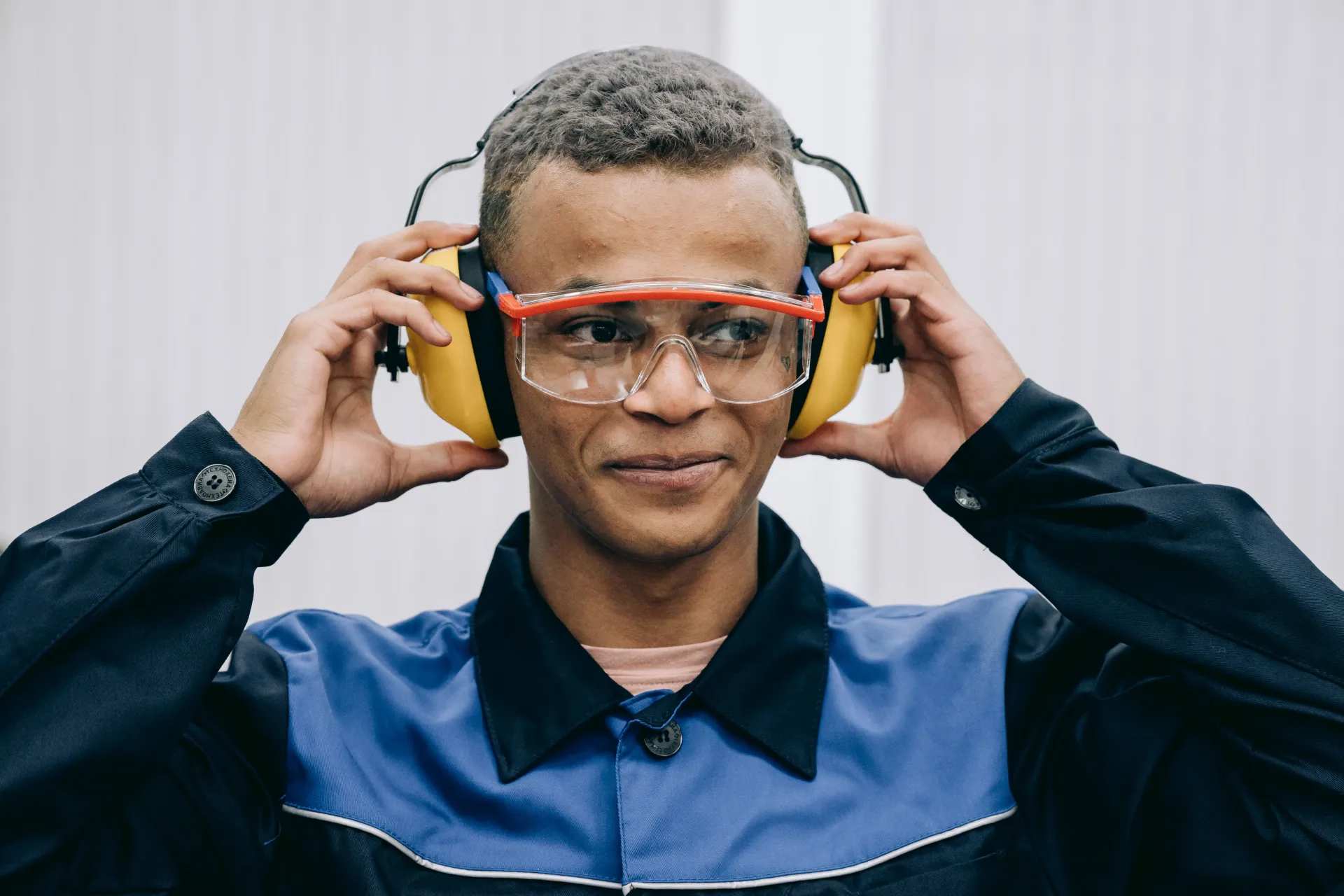
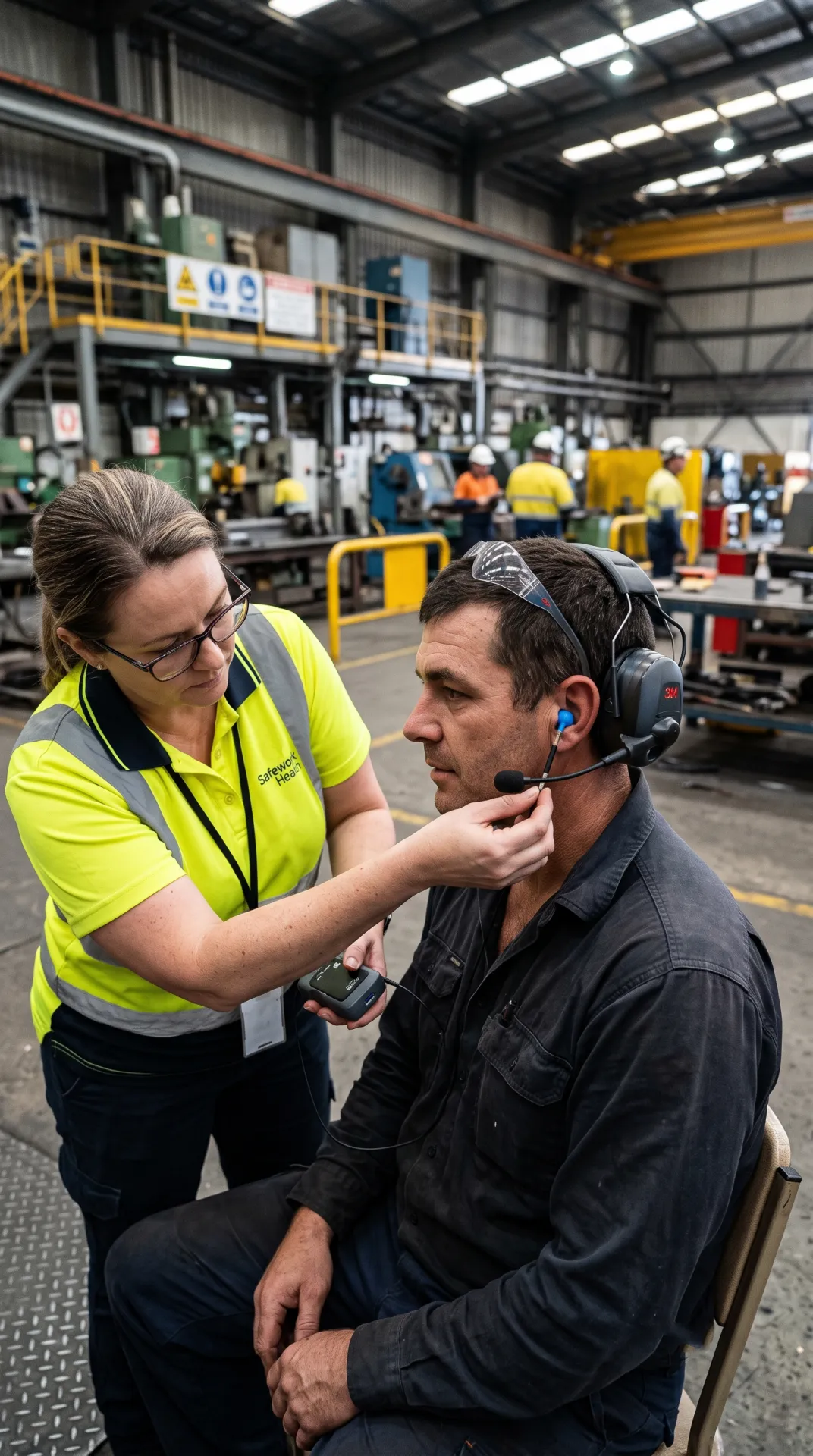
    Earmuffs are generally more consistent to apply but can be compromised by facial hair, prescription glasses, hard hats, high-vis collars, and other PPE worn simultaneously. For workers using earmuffs alongside other equipment, fit testing confirms the seal is still effective under actual working conditions.

    The Training Benefit

    Beyond generating a PAR result, ear fit testing has an immediate training benefit. If a worker inserts earplugs incorrectly, our assessors show them the right technique and retest on the spot. Many workers complete a fit test session and, for the first time, understand what a correctly fitted HPD feels like. That knowledge carries through to every shift they work.

    Why Training Matters with Earplug and Earmuff Testing;
    pexels-kindelmedia-8487998;

    How Often Is Ear Fit Testing Required?

    At a minimum, ear fit testing should be conducted:

    • Before a worker begins using an HPD in a hazardous noise environment
    • Annually as part of an ongoing hearing protection program
    • When a worker changes to a different HPD model or size
    • Following any change in ear health or anatomy that may affect HPD performance

    Annual retesting confirms that insertion technique hasn’t degraded over time and that the device remains appropriate for the worker’s current exposure conditions.

    Workers should not have ear infections, excessive wax build-up or other acute ear conditions when they attend testing. Our assessors will advise if a test should be deferred.

    pexels-kindelmedia-8487998;
    pexels-mikhail-nilov-9242209;

    On-Site and In-Clinic Ear Fit Testing

    Safework Health offers flexible options to suit your operational requirements.

    On-Site Ear Fit Testing

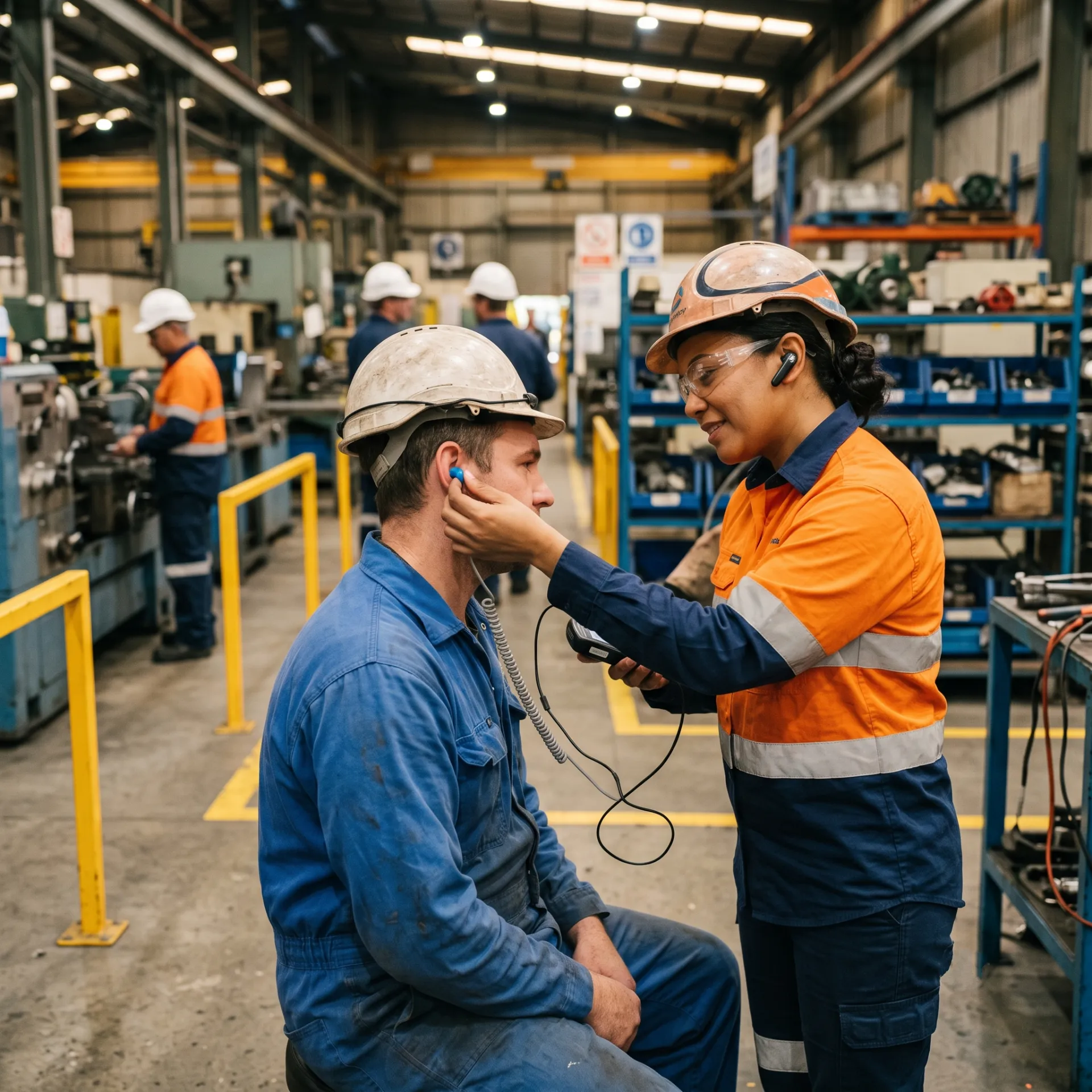
    Our qualified assessors travel to your workplace, keeping disruption to a minimum. On-site delivery works best for larger groups, remote and regional sites, and workplaces where sending workers off-site isn’t practical.

    In-Clinic Ear Fit Testing

    Available at Safework Health clinic locations nationally. Clinic appointments suit smaller groups, individual workers and pre-employment assessments before someone starts in a noisy role.

    Contact our team to talk through scheduling, group bookings and regional availability.

    pexels-mikhail-nilov-9242209;

    Safework Health: Occupational Health Services

    Since 2012, Safework Health has delivered fast, quality occupational health services to Australian workplaces. With over 200 staff, a national presence, and a commitment to compliance and worker safety, we support employers across industries including mining, construction, healthcare, manufacturing, and more.

    Our ear fit testing service works alongside our broader occupational health capability, including audiometric testing and noise assessments, to give you a complete, defensible hearing conservation program.

    Enquire today about ear fit testing for your team. Call 1300 795 227 or contact us online.

    NEWSLETTER SUBSCRIPTION