• Popular SearchesHide Popular Searches
  • Confirm the Seal. Confirm the Safety.

    Mask Fit Testing

    A respirator that doesn’t fit properly leaves workers exposed while they believe they’re protected. Mask fit testing is the only way to verify that a tight-fitting respirator forms an effective seal on an individual worker’s face. Without it, hazardous dusts, fibres, fumes, and airborne pathogens can bypass the filter entirely, putting your workers at real risk and your business in breach of its duty of care.

    Safework Health delivers professional mask fit testing across Australia, both on-site and in-clinic, for employers who need to meet their compliance obligations and actually protect the people doing the work.
    Guaranteed Fast Results
    Over 10,000+ tests done yearly AUS wide
    Mobile AUS Wide Service Available
    pexels-roger-brown-3435524-5499417;
    we come to you

    Quantitative PortaCount® Fit Testing

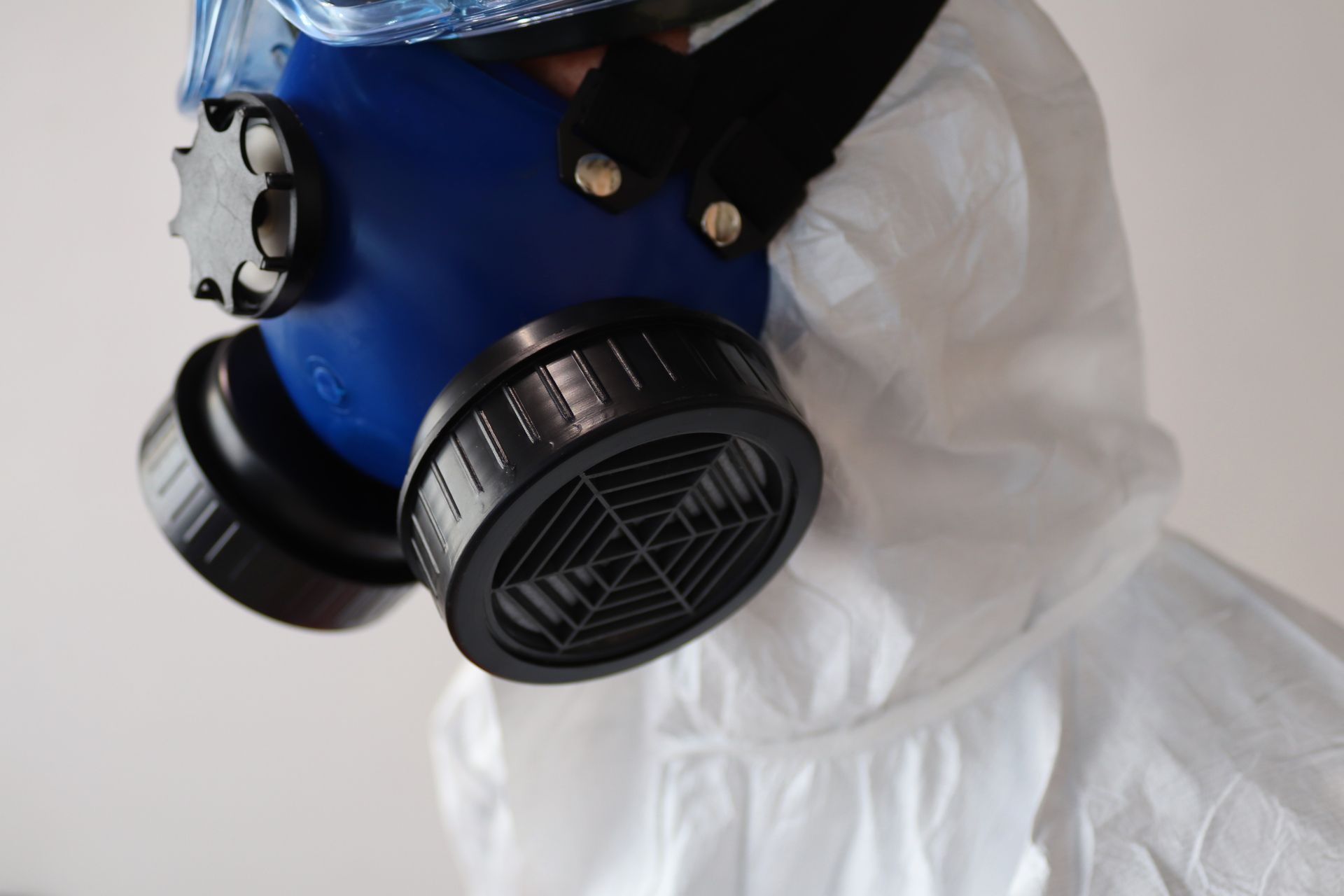
    Safework Health currently provides quantitative fit testing using PortaCount® technology for the following respirators:

    • 3M 7500 Series Half Face Respirator (Reusable)
    • 3M Aura 9322A+ Disposable P2 Respirator

    PortaCount® testing provides an objective measurement of respirator fit by comparing particle concentrations inside and outside the respirator, producing a documented fit factor result.

    Our team can advise on respirator selection and suitability prior to testing.
    pexels-roger-brown-3435524-5499417;
    image (7);

    What Is Mask Fit Testing and Why Is It Required?

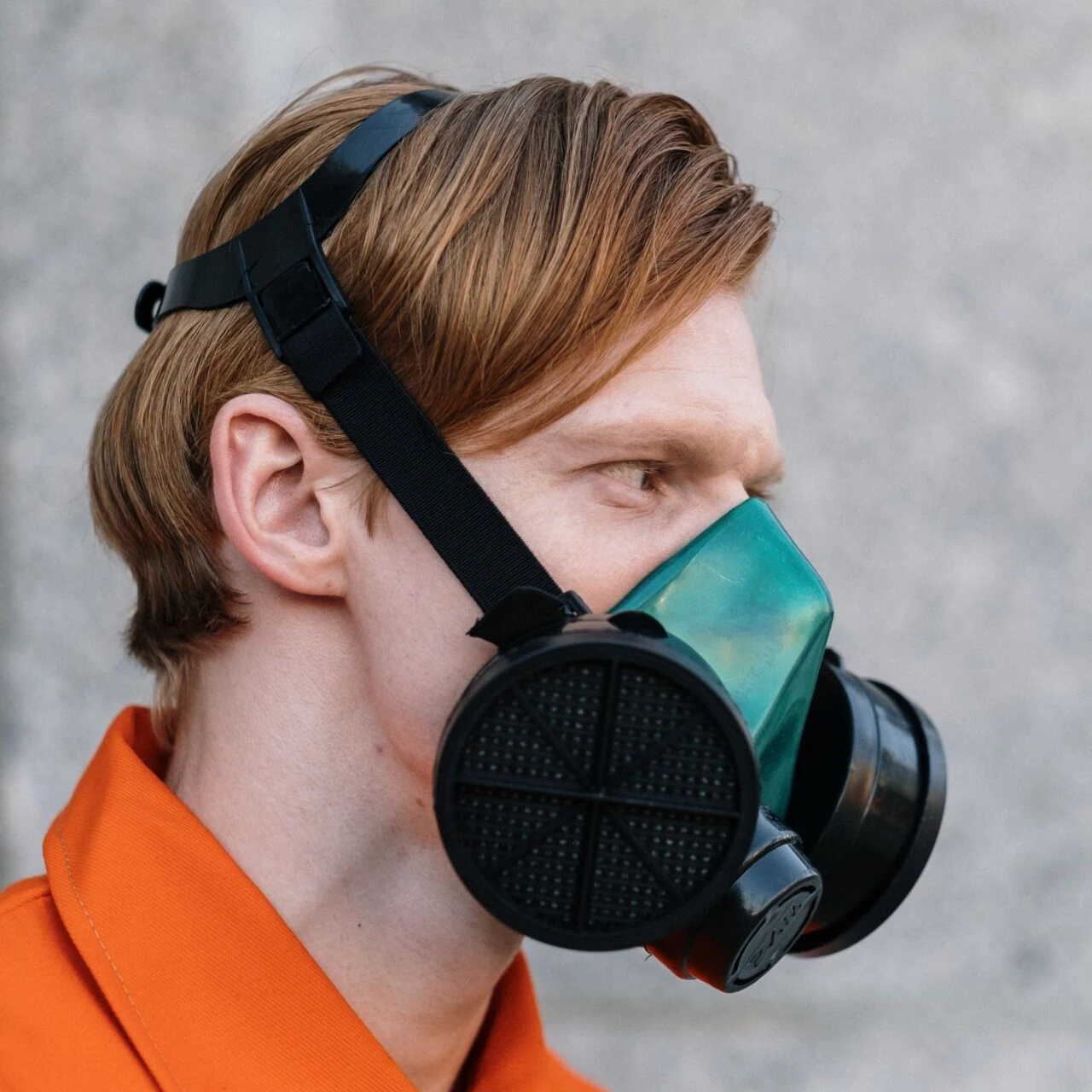
    Mask fit testing is a structured assessment that determines whether a specific tight-fitting respirator (including P2/N95 masks, half-face respirators, and full-face respirators) creates an adequate seal on a particular wearer’s face. No two faces are the same. A respirator that fits one worker correctly may leak significantly on another, even within the same model range.

    Under AS/NZS 1715:2009 (Selection, Use and Maintenance of Respiratory Protective Equipment), Australian employers have a clear obligation to ensure that respiratory protective equipment (RPE) is correctly selected, properly fitted, and maintained for each individual user. AS/NZS 1715 specifies that fit testing must be conducted before a respirator is first used and repeated when circumstances change. Compliance with this standard is a core component of a legally defensible RPE program.

    Fit testing is mandatory when tight-fitting respirators are in use. Relying solely on brand selection or manufacturer sizing guides does not meet the requirements of AS/NZS 1715.

    image (7);
    pexels-tima-miroshnichenko-5059643;

    Who Needs Mask Fit Testing?

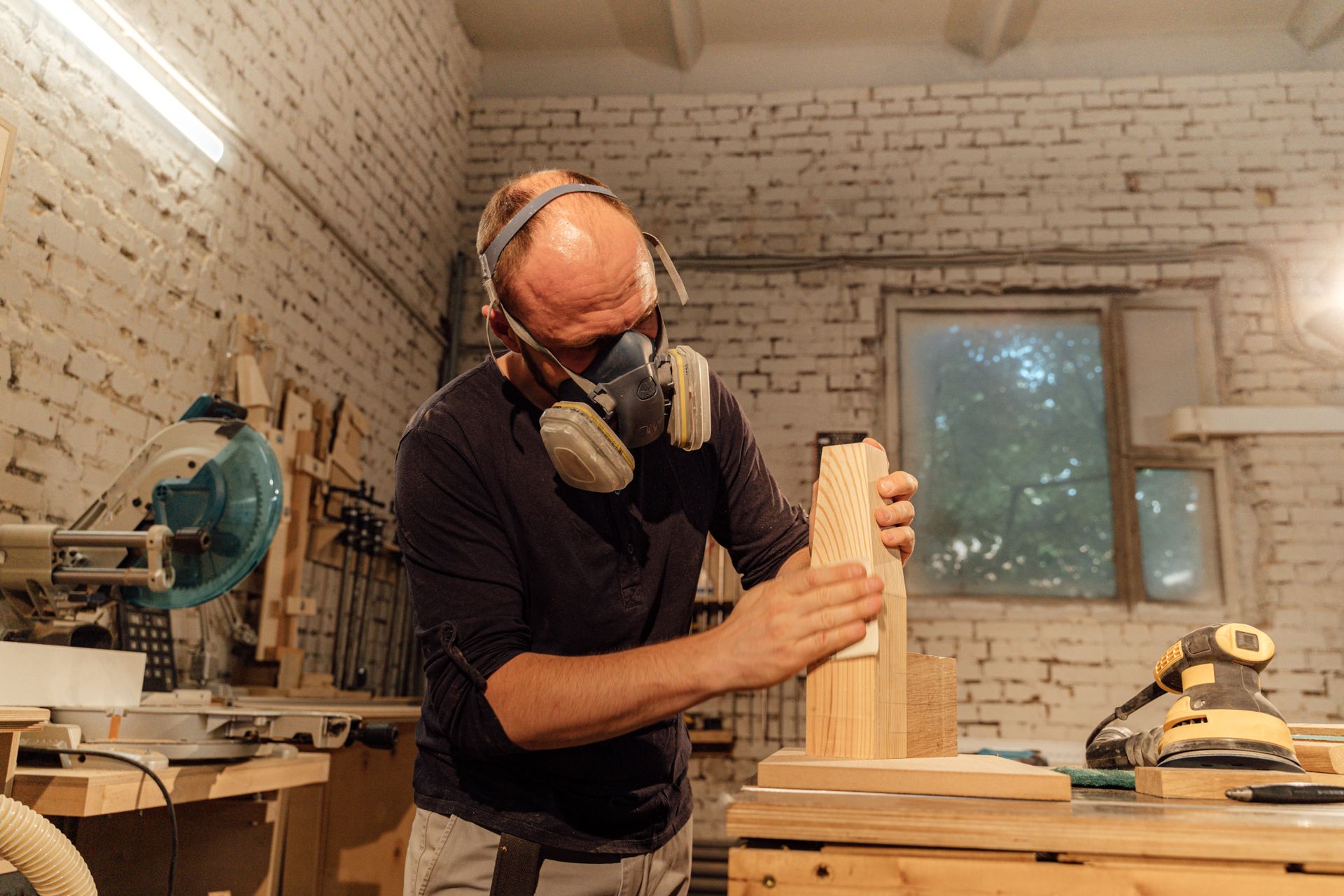
    Any worker required to wear a tight-fitting respirator as part of their role should be fit tested. Mask fit testing matters most for these industries and roles:

    • Mining and construction: Workers exposed to respirable crystalline silica dust from cutting, drilling, or grinding engineered stone, concrete, or sandstone
    • Asbestos removal: Licensed removalists and supervisors working with friable or non-friable asbestos-containing materials
    • Welding and metal trades: Workers exposed to welding fume, which is classified as a Group 1 carcinogen
    • Healthcare and aged care: Clinical staff required to wear P2/N95 respirators for protection against airborne infectious agents
    • Chemical and pharmaceutical handling: Workers managing hazardous substances requiring respiratory protection beyond surgical mask level
    • Spray painting and surface treatment: Workers exposed to isocyanates and other airborne chemical hazards

    If your workers are wearing tight-fitting half-face or full-face respirators, mask fit testing is required.

    pexels-tima-miroshnichenko-5059643;
    pexels-harold-granados-115813190-10117884;

    Qualitative vs Quantitative Fit Testing

    There are two accepted methods for fit mask testing, each suited to different respirator types and workplace contexts.

    Qualitative Fit Testing 

    This is a pass/fail method that relies on the wearer’s ability to detect a challenge agent introduced into a hood or enclosure worn over the respirator. If the wearer detects the agent at any point during the test exercises, the mask has failed to seal adequately. Qualitative testing is appropriate for half-face respirators and is a practical option for larger groups.

    Quantitative Fit Testing 

    This uses instrumentation to simultaneously measure particle concentrations inside and outside the respirator, producing a numerical result known as the fit factor. At Safework Health, we use the PortaCount respirator fit tester to deliver objective, documented results. A fit factor of 100 or above is required for half-face respirators; full-face respirators require a fit factor of 500 or above. Quantitative testing is required for full-face respirators and is preferred when a precise, auditable result is needed.

    Our team will advise on the appropriate method based on the respirator type and the nature of the hazard exposure.

    pexels-harold-granados-115813190-10117884;
    pexels-ai25studioai-5466145;

    How Often Is Fit Testing Required?

    AS/NZS 1715 requires that fit testing is repeated:

    • Annually, as a minimum, for workers in ongoing RPE programs
    • Following any significant change to facial structure, including substantial weight gain or loss, dental work, facial surgery, or scarring
    • When a different respirator model or size is introduced, even within the same brand

    Workers must also be clean-shaven at the time of testing. Any facial hair along the respirator’s sealing surface will prevent an adequate seal and result in a failed test. Workers should be informed of this requirement before attending their appointment.

    pexels-ai25studioai-5466145;
    pexels-ai25studioai-5493675;

    What to Expect and What to Bring

    Each session includes a pre-test assessment, the fit test itself (qualitative or quantitative) and a written record of the result.

    Workers should bring their own respirator that they use or intend to use in the workplace. Fit testing is conducted on the actual device the worker will wear on the job. Testing on one model does not validate the use of another.

    Our assessors will guide each worker through a series of exercises during the test, designed to replicate the range of movements encountered in real work conditions.

    Upon completion, each worker receives a documented fit-test record that can be retained as part of your workplace RPE compliance records.

    pexels-ai25studioai-5493675;
    pexels-ai25studioai-5466228;

    On-Site and In-Clinic Testing

    Safework Health offers flexible fit testing options to suit your operational needs:

    On-Site Mask Fit Testing

    Our qualified assessors come to your workplace, minimising downtime and disruption for your team. On-site testing works best if you have several workers to test, or if your site is remote or regional and sending people off-site isn’t practical.

    In-Clinic Mask Fit Testing

    Available at Safework Health clinic locations nationally. Clinic appointments suit smaller groups or individual workers, including pre-employment fit testing before someone starts a role.

    Contact our team to talk through scheduling, group bookings and whether we can service your regional or remote site.

    pexels-ai25studioai-5466228;

    Safework Health: Trusted Occupational Health Expertise

    Safework Health has provided fast, reliable occupational health services to Australian workplaces since 2012. With over 200 staff, a national presence, and a commitment to compliance and worker safety, we support employers across industries, including mining, construction, healthcare, manufacturing, and more.

    Our mask fit testing service works alongside our broader occupational health capability to provide you with a complete picture of your workforce’s health and safety status.

    Enquire today about mask fit testing for your team. Call 1300 795 227 or contact us online.

    NEWSLETTER SUBSCRIPTION