
It might sound like a small issue, but drinking too much water before a workplace drug test can impact the result, and potentially your employment checks or fitness for duty. Many people unintentionally over-hydrate before a test, whether because they are nervous or simply unaware that it can affect sample quality. In workplaces, especially those […]
Read moreIt might sound like a small issue, but drinking too much water before a workplace drug test can impact the result, and potentially your employment checks or fitness for duty. Many people unintentionally over-hydrate before a test, whether because they are nervous or simply unaware that it can affect sample quality.
In workplaces, especially those with safety-critical operations, accurate results are crucial. A diluted sample can cause delays, require retesting or trigger further review. For employees, that can mean stress and postponed start dates. For employers, it means lost time and increased admin. Understanding how hydration affects urine drug testing helps everyone avoid unnecessary complications.
How Does a Urine Drug Test Work?
Urine drug tests detect traces of substances, specifically metabolites, that remain in the body after use. While saliva testing is more focused on recent impairment, urine testing provides a broader picture of recent consumption.
A standard workplace urine testing process follows strict Australian Standards (AS/NZS 4308:2008). The sample is collected in a controlled environment, integrity indicators such as temperature and appearance are checked, and initial screening is completed onsite. If anything is irregular or a substance is detected above the cut-off level, the sample is securely sent to an accredited laboratory for confirmation.
This multi-stage approach protects fairness and accuracy, significantly reducing the risk of false positives.
What Happens If You Drink Too Much Water Before a Drug Test?
When someone consumes a large amount of water shortly before a test, it can dilute the urine. This lowers the concentration of drug metabolites and also key validity markers, such as creatinine.
A diluted sample can lead to:
- An inconclusive result
- A requirement to retest
- Delays in employment clearance or site access
In most cases, dilution isn’t treated as misconduct, many people genuinely don’t realise overhydration can cause issues. However, because some individuals attempt to drink excessive amounts to mask drug use, testing procedures must treat diluted samples seriously and consistently.
Normal hydration throughout the day is fine; problems arise when large volumes are consumed rapidly just before testing.
What To Do If You’ve Over-Hydrated Before Your Test
If you suspect you’ve drunk too much water before your test, the most helpful thing you can do is be transparent with the collector and follow their guidance. They may ask you to wait and provide another sample later, when the urine concentration has normalised.
Avoid continuing to drink large volumes during this waiting period, and if you take legitimate prescribed medication, have your documentation ready, this is handled confidentially through a Medical Review Officer if needed.
For employers, treating these situations calmly and consistently helps maintain trust. Most cases are honest mistakes, and employees appreciate clear communication rather than assumptions.
What To Do (and Not Do) Before a Drug Test
Do:
- Maintain normal hydration the day before and the morning of the test.
- Eat and drink normally — no special routines required.
- Bring prescription information if you take medication that could affect results.
Don’t:
- Rapidly drinking excessive water right before your appointment.
- “Detox” drinks or cleansing hacks. These are unreliable and unnecessary for compliant workers.
- Panicking. Diluted samples are common, and the process for retesting is straightforward.
How Employers Can Make The Process Clearer
Clear guidance helps reduce anxiety and prevent diluted samples. Employers can support team members by explaining:
- What to expect on test day
- Why overhydration can cause issues
- How retesting works if a result is inconclusive
- Who to speak to about medications, privately and confidentially
Good onboarding, supervisor training, and clear written policies go a long way toward ensuring testing feels professional, routine, and fair, rather than intimidating or punitive.
Workplaces that position testing as a shared safety responsibility rather than a compliance trap see greater cooperation and engagement from employees.
Simplifying The Drug Test Process
Accidentally drinking too much water before a drug test is more common than many think. Understanding how hydration affects results helps avoid delays and ensures testing runs smoothly. With the right preparation and communication, both employees and employers can feel confident in the process.
Safework Health provides accredited, confidential and highly reliable drug and alcohol testing across Australia. Our collectors are experienced, trained to national standards and focused on professionalism and dignity throughout the process.
Whether you’re preparing employees for testing or managing a regular testing program, we partner with you to ensure accuracy, compliance and a respectful process.
For accredited, reliable workplace drug testing and guidance on best-practice procedures, contact Safework Health today.
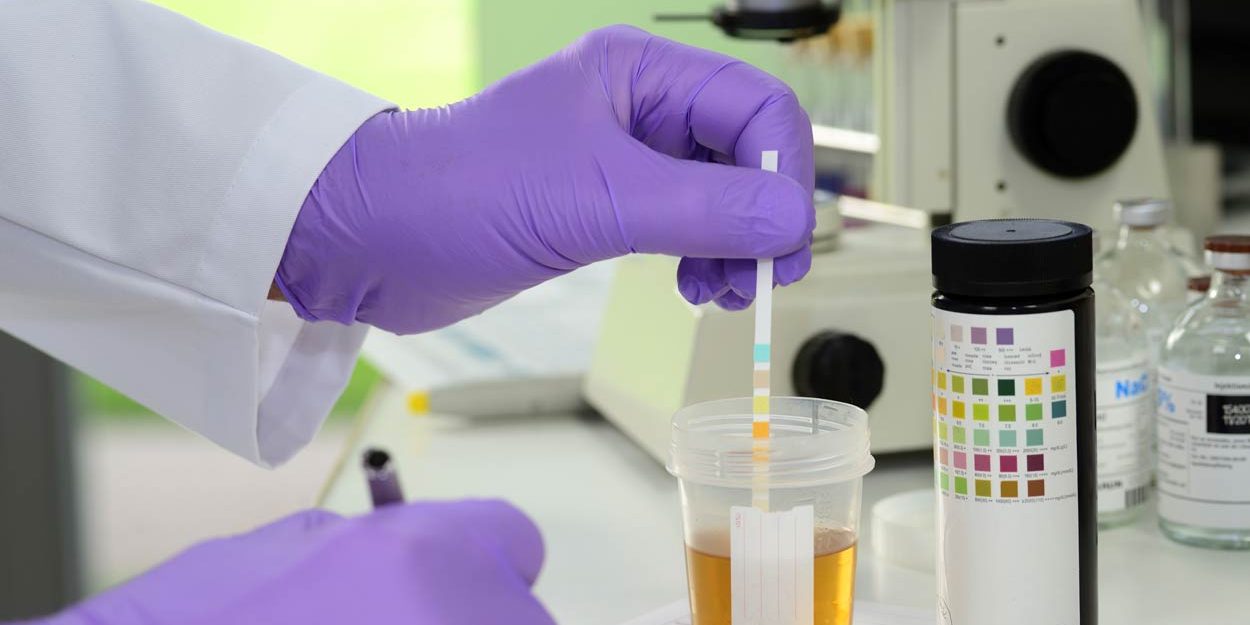
Urine drug testing is widely used in Australian workplaces to support safety, meet compliance requirements and promote a culture of responsibility. For employees, understanding how these tests work can reduce anxiety and help them feel confident on the day. For HR leaders, understanding how to conduct urine testing programs ethically and accurately is crucial for […]
Read moreUrine drug testing is widely used in Australian workplaces to support safety, meet compliance requirements and promote a culture of responsibility. For employees, understanding how these tests work can reduce anxiety and help them feel confident on the day. For HR leaders, understanding how to conduct urine testing programs ethically and accurately is crucial for maintaining fairness and ensuring legal compliance.
This article explains how urine tests work, how employees can best prepare to legitimately pass tests, and how companies can ensure their testing programs remain credible and professional.
Why Do Workplaces Use Urine Drug Tests?
The primary purpose of workplace drug testing is to keep people safe. Certain industries – including mining, transport, logistics, healthcare and construction – rely heavily on alertness, sound judgment and motor coordination. In these environments, impairment can put employees, colleagues and the public at risk.
Safe Work Australia notes that drug and alcohol impairment can contribute to accidents, lost productivity and absenteeism. While testing is a compliance requirement in some environments, many businesses also implement drug and alcohol policies as part of broader wellbeing strategies. Effective programs are not about catching people off guard, but about preventing harm and offering support where needed.
Urine drug tests remain a preferred method because they are cost-effective, reliable and capable of identifying recent substance use, which helps employers make informed safety decisions.
What Substances Do Urine Drug Tests Detect?
Workplace urine drug tests can detect a range of substances, depending on the specific testing panel used. Most commonly, tests can pick up use of:
- Cannabis (THC)
- Amphetamines and methamphetamines
- Cocaine
- Opiates
- Benzodiazepines
Some employers also include synthetic drugs and alcohol metabolites, depending on risk level and organisational policy.
What Does a “Passing” Urine Test Look Like?
A “pass” means no prohibited substances are detected above the cut-off levels defined in AS/NZS 4308:2008, and that the sample shows normal integrity, including correct temperature ranges and expected chemical markers.
If something is detected or the sample appears inconsistent, the result becomes “non-negative”, and the sample is sent to a laboratory for confirmatory analysis. This protects employees by ensuring that no decisions are made based solely on rapid-screen results.
Employees who take legitimate prescription medications (such as for ADHD, pain management or anxiety) can provide documentation for confidential review by a Medical Review Officer, who ensures the proper context is applied.
How To Prepare To Pass a Urine Drug Test Responsibly
The most reliable way to pass a urine drug test is simply to avoid illicit drug use and be aware of your workplace’s policies. Proper preparation does not require complicated methods or specialised products.
To prepare confidently:
- Stay substance-free and ensure you understand your workplace policy.
- Stay hydrated normally, rather than attempting to over-hydrate on the day.
- Bring prescription information if you take medication that may affect the results.
- Be aware of the process so you feel prepared and calm on testing day.
It can also be useful to know how long drugs are detectable in your urine if you know your workplace policies require ongoing testing.
While detection windows vary, a general guide is:
| Drug Type | Detection Period |
| Cannabis | 2-7 days (sometimes longer in heavy daily users) |
| Stimulants (methamphetamine, cocaine) | 2-4 days |
| Benzodiazepines | 1 week + (depending on type) |
These timeframes can shift based on individual factors like hydration, metabolism, body composition and frequency of use.
Can You Cheat a Urine Drug Test?
Online advice often suggests “shortcuts” like detox drinks, herbal cleanses, excessive water intake, vinegar, mouthwash or substituting a sample. In practice, these methods fail the majority of the time and can raise red flags that lead to more rigorous testing.
Modern screening includes:
- Temperature checks to ensure the specimen is fresh
- Creatinine and pH testing to detect dilution or tampering
- Chain-of-custody controls to prevent substitution
Attempting to cheat on a test not only risks disciplinary action but also undermines trust and compromises workplace safety. The safest, simplest and most ethical approach remains being drug-free and transparent about prescribed medication use.
Ensuring Credible Urine Testing For Workplaces
Passing a urine drug test is straightforward when expectations are clear: be substance-free, follow policy and prepare professionally. For employers, using accredited providers and maintaining consistent, transparent processes ensures testing programs are trusted and effective.
For reliable workplace urine testing, guidance or support implementing a compliant program, Safework Health is a leading provider. With NATA-accredited labs and experienced mobile collection teams, we support businesses in maintaining safe, compliant and productive workplaces.
We take a fair, confidential and non-judgemental approach to testing, ensuring employees feel respected and employers feel confident in their results. For more information on urine drug testing, speak with our workplace testing specialists.

Cannabis use is increasing across Australia, both recreationally and through prescribed medicinal cannabis programs. However, many companies in industries such as transportation, mining, and construction require employees to undergo drug tests for pre-employment screening, random workplace testing, or return-to-work checks. This raises the question: how long does weed stay in your system? Understanding cannabis detection times […]
Read moreCannabis use is increasing across Australia, both recreationally and through prescribed medicinal cannabis programs. However, many companies in industries such as transportation, mining, and construction require employees to undergo drug tests for pre-employment screening, random workplace testing, or return-to-work checks. This raises the question: how long does weed stay in your system?
Understanding cannabis detection times is crucial for individuals in roles that require regular checks. Even if the effects feel long gone, cannabis can leave traces in the body that remain detectable for days or, in some cases, weeks. This can impact workplace safety requirements, employment timelines and medical clearance for certain roles.
In this guide, we break down everything you need to know about cannabis detection, test passing requirements, and what to consider if you think THC might appear on your upcoming test.
What Effect Does Cannabis Have and Why Do Workplaces Test For It?
The main psychoactive compound in cannabis is THC (tetrahydrocannabinol). It interacts with receptors in the brain and nervous system, affecting:
- Coordination and motor skills
- Reaction time
- Decision-making and judgement
- Concentration and memory
These effects can impair performance and increase the risk of accidents, particularly in high-risk industries such as transport, mining, construction and manufacturing.
Under Australian Work Health and Safety laws, employers are required to provide a safe working environment. Drug testing helps:
- Reduce workplace accidents and near-misses
- Support fitness-for-duty requirements
- Meet WHS and industry compliance standards
- Identify when an employee may need well-being support
According to the Australian Institute of Health and Welfare, cannabis is the most widely used illicit substance in Australia, with approximately 11.5% of adults reporting use in the past year. Given this, clear workplace policies and testing protocols are essential.
Can You “Pass” If You Used Weed Recently?
Drug tests do not measure how “high” someone is. They detect whether THC metabolites are present above a certain threshold.
A “pass” means:
- THC is below the cut-off level, or
- A Medical Review Officer confirms valid medicinal cannabis use (if policy allows)
Someone may feel sober yet still test positive if their body has not fully cleared the metabolites, which is why timing matters.
How Long Does Weed Stay In Your System?
Cannabis detection time varies based on:
- Frequency of use
- THC strength and dosage
- Metabolism and body fat levels
- Hydration and activity level
- Method of consumption (smoking, vaping, edibles, oils)
THC is stored in fat cells and gradually released; therefore, regular or heavy use significantly increases the detection window.
Detection Windows By Test Type
| Test Type | Detects | Rough Detection Window |
| Saliva (oral fluid) | Recent use, impairment risk | 6-24 hours (up to 72 hrs in heavy users) |
| Urine | Past use, not impairment | 2-7 days for occasional users; up to 30 days for heavy daily use |
| Blood | Current or very recent use | Up to 24-48 hours |
| Hair | Historical use | Up to 90 days |
| Instant drug tests (onsite kits) | Initial screening for recent use | Similar detection ranges to saliva/urine (positives require lab confirmation) |
Workplaces may use instant drug tests for immediate results. If an on-site test detects cannabis above the cut-off, the sample is then sent to a laboratory for confirmation. This protects employees from false positives and ensures fairness.
What Do You Do If You Think Cannabis Will Show Up On Your Test?
If you believe cannabis may still be in your system, the most important step is communication and understanding your workplace policy.
For Employees:
- Review company drug and alcohol guidelines
- If prescribed medicinal cannabis, disclose privately as required
- Ask clarifying questions if unsure about policy or testing timelines
- Avoid “detox myths” – water loading, cleanses and online “hacks” are not reliable and can raise concerns
If a result does come back “non-negative,” laboratory confirmation and review by a Medical Review Officer ensure context is applied fairly.
For Employers:
Encourage transparency and provide support, not stigma. Many organisations pair testing programs with access to Employee Assistance Programs and wellbeing support, recognising that substance use and mental health can be linked.
Keeping Employees Safe and Aware
Cannabis can stay in your system for anywhere from several hours to several weeks, depending on frequency of use, metabolism and the type of test used. Understanding these timelines and how drug testing works helps employees prepare responsibly and enables employers to run fair, safe and compliant workplaces.
If your business needs trusted workplace drug testing, guidance on policy development or pre-employment medical checks, Safework Health is here to help.
Safework Health is a trusted partner for workplace drug testing across Australia. We combine scientific accuracy with professional, non-judgmental processes to support both compliance and employee well-being.
We know drug testing can feel confronting for employees and complicated for employers. Our team makes the process straightforward, respectful and compliant. Speak with us today to ensure a safe, informed and compliant workplace.
It’s important to note that medicinal cannabis contains THC unless specifically prescribed as CBD-only. Employees using legally prescribed medicinal cannabis should discuss workplace policies and any disclosure requirements with their employer or medical practitioner.
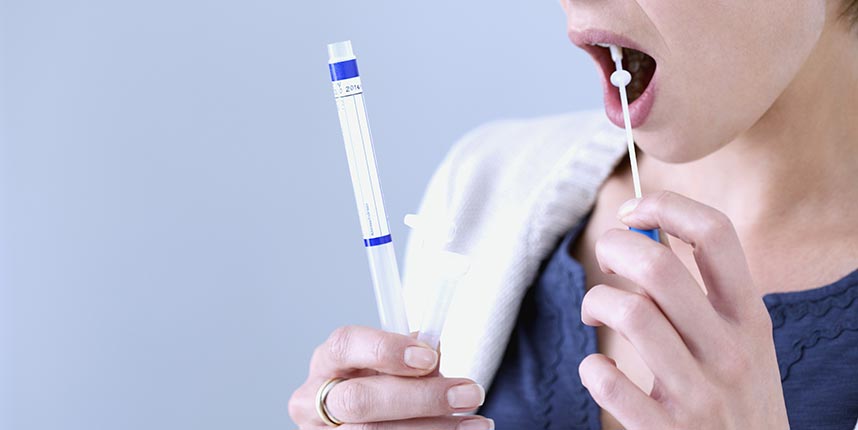
Cannabis use has become increasingly common in Australia, with the 2022–23 National Drug Strategy Household Survey reporting that 11.5% of Australians used cannabis in the past 12 months. As attitudes shift and medicinal cannabis prescriptions grow, questions about how cannabis affects workplace drug testing are becoming more frequent. One of the most common queries, especially from employees […]
Read moreCannabis use has become increasingly common in Australia, with the 2022–23 National Drug Strategy Household Survey reporting that 11.5% of Australians used cannabis in the past 12 months. As attitudes shift and medicinal cannabis prescriptions grow, questions about how cannabis affects workplace drug testing are becoming more frequent.
One of the most common queries, especially from employees preparing for a screening or HR teams managing safety programs, is how long tetrahydrocannabinol (THC) remains detectable in the saliva glands. Unlike alcohol, where impairment often correlates closely with blood alcohol concentration, cannabis metabolites behave differently in the body. This can make detection timelines confusing if you’re not familiar with the science behind testing.
In this guide, we break down everything you need to know about THC, how it’s detected in saliva and must-know information about drug testing for employees and employers.
What is THC?
THC is the main psychoactive compound in cannabis plants. It binds to cannabinoid receptors in the brain and nervous system, particularly CB1 receptors, producing psychological and physiological effects. These can include relaxation, altered sensory perception, reduced coordination, and slowed reaction time – which is why its presence in safety-sensitive work environments is monitored.
When cannabis is consumed, THC enters the body in different ways depending on the method:
- Smoking or vaping: THC travels from the lungs directly into the bloodstream, reaching the brain in seconds.
- Edibles, oils or capsules: THC is processed through the digestive system and liver, taking longer to produce effects – often 30 minutes to 2 hours.
Once absorbed, THC and its metabolites are distributed to various tissues. It is fat-soluble, meaning it can be stored in fat cells and gradually released back into the bloodstream, which is one reason detection windows can vary. Even after the “high” wears off, small amounts may still be detectable for a period.
How Long THC Stays In Saliva (and Why Detection Times Vary)
Saliva drug testing is designed to detect recent cannabis use. However, how long THC remains detectable can differ significantly between individuals. Factors influencing this include:
- Frequency of cannabis use
- Metabolism and body mass
- Amount consumed
- Potency of the product
- Method of consumption
- Hydration and oral hygiene
- Individual biological differences
While no timeframe applies universally, research and workplace testing standards suggest:
| User Type | Approx. Detection Window in Saliva |
| Single or occasional use | 12-24 hours |
| Frequent use (several times weekly) | 24-48 hours |
| Daily or heavy use | Up to 72 hours, or longer |
Saliva drug tests are preferred in many workplace settings because they more closely correlate to recent use and potential impairment, rather than past exposure.
Why Do Workplaces Test For THC?
Work health and safety (WHS) obligations require employers to provide a safe working environment. Industries such as mining, transportation, logistics, construction, and manufacturing often involve machinery, vehicles, or other hazards where impaired judgment or reduced reaction time can lead to serious incidents.
Even if someone doesn’t feel impaired, THC can impact cognitive and physical abilities, including:
- Reduced coordination and motor control
- Delayed reaction times
- Impaired decision-making and memory
- Altered perception and concentration
Can You Remove THC From Saliva Faster?
Many online resources recommend quick fixes: drinking water, special mouthwashes, gums, and even supplements. However, there is no scientifically reliable method to rapidly eliminate THC from saliva once it is present. Most “detox hacks” are ineffective and may be considered tampering.
The only proven way to reduce THC levels is time.
Some general health behaviours (hydration, oral hygiene, time between use and testing) may influence superficial detection conditions, but none guarantee a negative result if THC is still present in the saliva glands.
If you’re concerned that THC may be detected in your test:
- Review your company’s drug and alcohol policy – Many policies outline expectations, support pathways and disclosure requirements.
- Do not attempt to falsify results – Tampering can undermine trust and may result in disciplinary action.
- Seek guidance discreetly – A HR representative, supervisor or medical professional can provide advice.
- Access support if needed – Workplace Employee Assistance Programs (EAP) offer confidential counselling and assistance.
Safely Delivering The Best Results
THC can typically be detected in saliva for 12 to 72 hours, depending on frequency and method of use, metabolism and individual factors. Understanding how long cannabis remains in the system helps employees make informed choices and supports HR teams in promoting a secure and productive workplace.
If your organisation needs reliable drug and alcohol testing, medical assessments or workplace training, Safework Health is here to assist. Safework Health is a trusted national provider of drug and alcohol testing, medical assessments and workplace health services. We work with organisations of all sizes, from small businesses to large industrial sites, to create safer, healthier workplaces.
We understand that drug testing can be a sensitive topic. That’s why we prioritise discretion, employee dignity, and education, helping organisations maintain compliance while fostering trust and wellbeing.
Get in touch with our team today to learn how we can support a safer, healthier workplace.
George brings over a decade of management expertise to lead our occupational health services.
Read more
We are thrilled to introduce George Veaudry, who has recently assumed the role of General Manager Health at Safework Health.
George’s journey to this position has been marked by a decade of dedicated service and leadership in various capacities, making him a valuable addition to our team.
Before his promotion, George served as the State Manager for WA and NT, where he demonstrated exceptional skills in management and strategic planning. Now, as the General Manager Health, George oversees all aspects of Safework Health’s occupational health services, which includes pre-employment medicals and Qld coal board medicals.
George brings a wealth of experience to his new role, boasting over ten years of managerial expertise across diverse industries including construction, mining, and technology. His proficiency in strategic business growth, project management, and contract execution has been instrumental in driving success in his previous roles.
At Safework Health, George’s responsibilities extend beyond operational management. He is committed to fostering a culture of excellence and innovation, ensuring that our occupational health services remain at the forefront of industry standards. His leadership style emphasises team development and collaboration, empowering our staff to deliver outstanding results for our clients.
Outside of work, George is passionate about personal development and maintaining a healthy work-life balance. He enjoys staying active through fitness activities and spending quality time outdoors with his family and friends.
Discover More
To learn more about how Safework Health can support your workplace, please explore our comprehensive range of occupational health services.
Lisa Smith has recently been promoted to National Operations Manager
Read more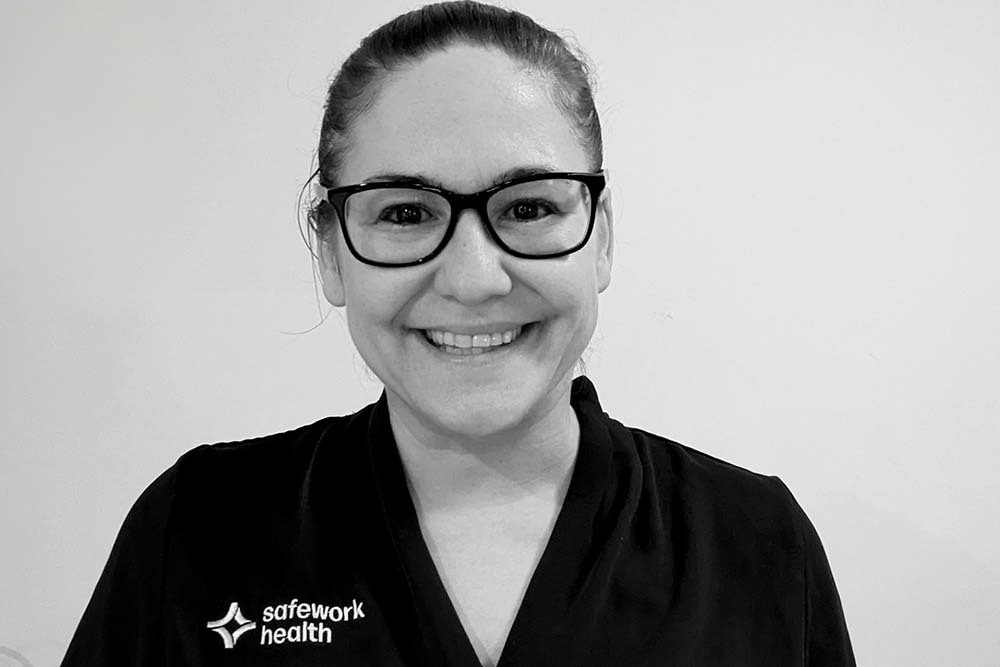
Introducing Lisa Smith, an accomplished operations manager with over 12 years of industry experience.
Lisa has recently been promoted to the role of National Operations Manager after successfully serving as Operations Manager for the East Coast region for the last eight years.
During her tenure as Operations Manager East Coast, Lisa demonstrated exceptional leadership and operational prowess, driving significant improvements in efficiency and performance across multiple facets of the business. Her strategic initiatives and collaborative approach earned her recognition as a driving force behind the region’s success.
Now, as National Operations Manager, Lisa brings her wealth of experience and proven track record to oversee operations on a larger scale. Her dedication to excellence, coupled with her ability to inspire and motivate teams, positions her as a transformative leader poised to propel Safework Health to new heights of success nationwide.
When Lisa isn’t managing Safework Health’s business operations, she can be found renovating her new place and caring for her two fur babies.
Discover More
Learn more about Safework Health’s national team.
We are pleased to announce Matthew Holt has been appointed as Safework Health’s Managing Director.
Read more
Effective February 9, 2024, Mal Beacham, the Managing Director and a founder of Safework Health, has transitioned from his role. We extend our best wishes to Mal for his future endeavours and appreciate the contributions he has made to the company.
On a positive note, we are pleased to announce that Matthew Holt will be assuming Mal’s role and responsibilities as the Managing Director of Safework Health, effective immediately.
Matt has been a valuable member of Safework Health’s leadership team for several years, demonstrating a solid understanding of the business and fostering strong relationships with key customers and staff.
The Safework Health board fully supports Matt, and we look forward to working closely with him in this new role.
Pathology Asia has joined the Global Diagnostics Network – a worldwide network of diagnostic laboratories.
Read moreWe are pleased to announce Pathology Asia’s inclusion as a member of the Global Diagnostics Network (GDN), a strategic working group of diagnostic laboratories from around the world. Pathology Asia was introduced to this globe-spanning community in July 2023.
Pathology Asia’s membership in the GDN reinforces its commitment to ensuring that healthcare professionals are well-informed when making choices that will shape medical decisions and health diagnoses. It also furthers their goal to become a fully integrated digital healthcare organisation.
About the Global Diagnostics Network
The GDN was conceptualised by US-based Quest Diagnostics as a worldwide community of leading healthcare companies. This worldwide network was designed to develop collaborations among the world’s leading healthcare companies to address the growing need for advanced diagnostic testing and high-quality healthcare services.
Presently, the Network has a presence in countries with two-thirds of the world’s population and over 90% of the global pharmaceutical market. Its members include Quest Diagnostics, Al Borg Medical Laboratories, Apollo Health & Lifestyle, Dasa, GC Labs, Healius, Lifelabs, LSI Medience , KingMed Diagnostics, Pathology Asia, Strand Life Sciences, and SYNLAB.
Proud Member of the Pathology Asia Group
Safework Health has been a member of the Pathology Asia group since 2019. The Group is one of the largest and fastest-growing diagnostics groups in the region and comprises leading diagnostic laboratories across Southeast Asia and Australia.
View the Q&A from our Medicinal Cannabis in the Workplace webinar.
Read more
During our Medicinal Cannabis in the Workplace webinar held on 9 August 2023, numerous questions were asked, some of which we did not have time to answer during the session. Below are all the questions asked, along with our responses.
Should you have any additional questions, please don’t hesitate to reach out to us at [email protected].
Webinar Q&A
With regards to pre-employment testing. If someone has declared they’re taking medicinal cannabis, are we able to notify to determine cbd:thc ratio?
The laboratory does not currently determine the level of CBD present in a sample. This could be relevant for oral fluid where detection is more closely aligned with impairment. While we have nothing to announce at this stage, we are constantly working to improve our service offerings to clients.
We have a Zero Tolerance policy which was previously provided to us by Safework Health. Should this be updated/replaced by a Zero Harm policy and can Safework help with a template for this?
Your drug and alcohol policy should be tailored to your requirements. There are some industries where a zero-tolerance approach is correct, for example where public safety is involved or where there is a high risk of catastrophic failure in the event of an accident or incident. Your policy can be reviewed in light of your requirements.
Could it be considered discrimination not to employ people with a medicinal cannabis prescription?
Yes, it is possible that it may be considered discrimination if the deciding factor in the decision was their medicinal cannabis prescription.
Any feedback on how the insurers (motor vehicles) are viewing potential changes to road use and (potential) impairment?
Currently, the presence of THC in blood can be used as evidence for prosecution purposes and may also affect vehicle and personal injury insurance claims. We would suggest contacting your insurer to determine their policy on medicinal cannabis in relation to their insurance products.
Is there a way to determine if the medication is being misused? i.e. a level above which the result must be misused? Are you able to test and differentiate between prescribed dosage and use against misuse of cannabis?
There are methods of determining if the result of a confirmed drug test are in-line with levels expected. The determination can be complex and will require additional information on the donor and their age/sex/height/weight. Dosage and frequency of use and time since last dose. Urine THC levels can be used as a rule-out assay – i.e., this level is or is not consistent with the stated dosage.
So, since THC accumulates with use, and doing a series of tests would allow you to determine if the THC is being used in therapeutic values, would employers be required to do a series of tests before making a determination about whether an employee is using their medication appropriately and legally?
The testing regime is up to the employer, and how their policy handles medications. It may be beneficial to monitor an employee who has recently started taking medicinal cannabis to establish a baseline response. Interpretation of results should be performed by someone with appropriate training and experience.
If a GP provides a letter and the worker then misuses the medication, and isn’t being regularly tested as the GP has provided confirmation of the prescribed meds and then is involved in an incident and found to be affected by the medication, where does liability sit – with the worker, the employer or the GP?
A fiduciary duty of care implies all these agents share some responsibility for the worker’s designation as being ‘fit-for-work’. There is an expectation however, that the reviewing Medical Officer’s opinion will be paramount – so if the GP says the worker is fit, the primary responsibility would lie with the MO. Note that if the worker abuses the prescribed dosage (i.e., takes excess) and shows clear evidence of impairment, then the workplace must assume primary responsibility for not intervening and instituting some for a review/Testing On Suspicion/Testing for Cause.
What if there is no option in terms of other duties and the employee is taking THC?
In such a case, it is important that the worker’s prescribed THC regimen is reviewed by a doctor – ideally an OHS physician or at least the worker’s prescribing MO certifying that the worker is fit for work. Medicinal THC should ideally only be taken >8 hrs before working – especially when dealing with safety-critical areas. CBD has no significant impairing effects apart from occasional tiredness within < 2 hrs of use. Workers taking THC should also be careful not to take benzodiazepines < 10 hrs prior to working, as THC enhances the sedative effect.
Is there going to be clear guidance on CBD in safety critical roles and workplaces?
CBD, unlike THC, is NOT associated with impairment, apart from (i) transient drowsiness experienced by a minority of workers only within the first 2 hours after use; and (ii) possible worsening of low blood pressure (hypotension) in people with pre-existing low blood pressure. Essentially – CBD is safe.
Could we just get a letter from their doctor to state if they can continue doing their normal duties – similar to a suitable duties/restricted duties plan?
A letter from the prescribing Doctor declaring they are fit for work is a good first start, however depending on their role/responsibilities there may still be an issue if a non-negative result is returned for THC.
What is stopping someone who is a regular user to go online and get a medical subscription for work purposes?
Medicinal cannabis should only be prescribed where no other valid form of treatment is available. There is anecdotal evidence that people have moved from illicit/black-market cannabis to medicinal cannabis prescriptions.
When asked about medicinal cannabis use, now being “legal” and how we treat this in the workplace, I equate it with alcohol – its legal, but we don’t allow people to come to work under the influence. Is this is a fair analogy, or would you recommend something else?
Yes, this is a fair analogy, as a society we have determined that a 0.05 BAC is an acceptable risk to health and safety. At some point an equivalent level will likely be set for THC. It is worth noting that even at 0.05 BAC there is a level of impairment present.
Are we saying there shouldn’t be a concern of impairment or safety risks if someone has been prescribed CBD through TGA and has a prescription and is taking the prescribed medication? If it is not through the TGA and just a prescription from a local GP or online, would this be different?
All medicinal cannabis prescriptions in Australia are provided through the TGA’s Special Access Scheme (SAS) and must be filled by a Pharmacist. Consultations can be held online, but the prescription must be filled in person. When taken as prescribed, CBD should not have a concern of impairment. It is worth noting that there is a window of around 2 hours post use where CBD can cause sleepiness. This should be taken into consideration by the prescribing doctor.
What would you determine as a safety critical role assessment?
This would depend on the employer’s Drug & Alcohol Monitoring Policy – it would be their decision as to what activities constitute a high-safety risk, and what level of risk they deem acceptable (i.e., zero-use/tolerance vs harm reduction). Safety-risk assessments would include a review of the worker’s current medications and health status (any possible complicating medical conditions).
Are mining companies moving towards Zero Harm re THC in this regard?
Yes – there is a general tendency to move towards ‘zero harm’ policies over simple ‘zero tolerance’. This means the focus is set on impairment rather than detection of an episode of prior use (w.r.t. THC – not amphetamine/meth where any detectable amount is consistent with being affected).
Is there a code of practice being developed to govern the changes in industry? There is certainly greater Fair Work issues at play other than just operating impaired.
Not currently, but industry policy groups, Health & Safety Forums and relevant industry OHS committees are seeking advice about addressing the issue. Most employer groups are seeking consultation from drug testing agencies about the issue and are incorporating provisions to their Drug & Alcohol Management Policies to ensure that medicinal cannabis use can be managed within the framework of handling prescription medication whilst maintaining workplace safety. The various State and Commonwealth legislatures are reviewing the legal situation, so the current situation may change.
Would it be acceptable that there is a requirement to declare use of medicinal cannabis to a health professional at a remote operational site?
It is important to maintain privacy for the employee, however trained medical professionals should be authorised to receive this information and provide advice in relation to an employee’s fitness for duty.
On prescribed cannabis, are they labelled the category they fit into? 1, 2, 3 etc?
Medicinal cannabis products are not directly labelled with the category, but this can be determined from the stated level of THC and/or CBD. Please contact Safework Health if you would like help with determining the category.
Just to confirm, if someone provides a negative result on an oral fluid test then we can be comfortable that they are not impaired?
Yes, if an on-site oral fluid test is negative there is no reason to suspect impairment by THC.
Is it possible to determine through a set level of THC/CBD would impact cognitive function in a worker? Or level of impairment?
There have been numerous studies attempting to correlate a level of THC with impairment. To the best of our knowledge there is no consensus on what level of THC constitutes impairment across all people. Additional studies will be required to do this.
How does the TCH Free CBD prescription vs Traces of THC in CBD Prescriptions?
Category 1 (>98% CBD) should have levels of THC well below that detectable by either oral fluid or urine screens. The allowable limits are set to cover manufacturers of medicinal cannabis products, since complete removal of THC cannot be guaranteed. If/when medicinal cannabis preparations receive TGA approval, the requirements around other components will likely tighten.
And are people under any obligation to disclose they have a prescription?
This depends on the specific work contract involved. If the contract includes a provision to inform the appropriate supervisor if they’re taking prescribed medications which might potentially lead to impairment, then they would have to do so. However, there is no general legislated obligation to disclose.
Impairment seems an irrelevant argument. The line in the sand is the level set by the Standard isn’t it?
Employers have an overriding fiduciary duty of care to maintain a safe workplace and minimise the risk of injury and death among their workers, regardless of the provisions of the Standard – so amending their DAMPs is advisable.
If we were to rely on a Dr letter stating “fit for normal duties”, surely this would need to from an Occupational Physician who understands industry work roles and what they entail?
Ideally, yes – or by any accredited Toxicological authority. However, it may not be practical (limited availability) and a thorough review by a competent GP (with appropriate toxicological advice) would be sufficient in the majority of cases.
How does THC Free CBD vs THC traces compare in use and legality especially in Health Professionals?
There are no restrictions placed on CBD use – it is not associated with impairment. This requires that the THC content of the medication be < 2%.
What is the rigor on checks / balances by TGA on the providers of CBD?
Currently the TGA does not assess the validity of the purity/content claims for the overwhelming majority of medicinal cannabis preparations and relies on the manufacturer purity claims. For this reason it is advisable that workers be encouraged to use only reputable brand preparations – e.g. Cannatrek etc.
What’s the age limit for using?
The lower age limit – save in exceptional cases such as reducing nausea from chemotherapy for cancer – is 18 yrs. There is no upper limit for medicinal cannabis prescription.
Watch The Webinar
Did you miss the webinar? Don’t worry, you can watch a replay of the webinar on our Webinars and Events page.